

 Image Source
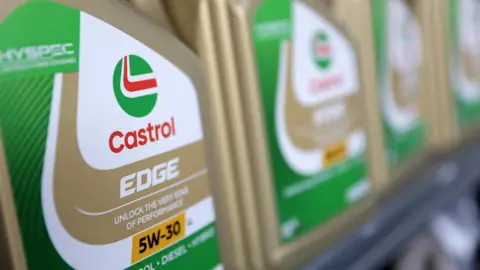
The company has finalized a $6bn agreement to sell a majority stake in its lubricants business Castrol to a US investment firm.
The Specifics Behind the Major Deal
The energy major sold a 65% stake in Castrol, which makes oils for automobiles, bikes, and commercial machinery, to New York-based Stonepeak.
This deal valued Castrol at $10.1 billion, with BP obtaining $6 billion cash, which it will use to pay down debts and allow it to concentrate on its core business.
BP will retain a 35% stake in Castrol, which it first took control of in the year 2000.
A Strategic Shift and Asset Sales
The UK-headquartered oil major stated the sale represents a "key moment" in its plans to restructure its business and reduce expenses.
BP in February announced plans to sell off $20 billion worth of holdings in a bid to prioritize its primary fossil fuel operations and strengthen its financial position.
Following today's deal and previous announcements, the company says it is more than halfway to meeting that target.
It is also changing its approach from funding for green energy and renewing its emphasis on fossil fuels following pressure from some shareholders who were frustrated that its earnings and stock value had trailed rivals.
Sector Context and Leadership Updates
Rivals such as Shell and Norwegian company Equinor have also reduced plans to invest in renewables.
The Castrol sale comes a week after BP unveiled its inaugural woman CEO, Meg O'Neill, who will take the helm in April 2026.
Her unexpected selection occurred only three months after BP appointed a new chairman, Albert Manifold.
And she was given the CEO role less than two years after Murray Auchincloss took over from Bernard Looney as chief executive.
Ongoing Portfolio Streamlining
This recent transaction is the most recent in a line of divestments by the company, which have included selling its American wind power assets and its Dutch mobility and convenience arm.
Acting CEO Carol Howle commented the sale represents a "very good outcome for all parties involved".
"We are reducing complexity, concentrating our refining and marketing on our leading integrated businesses, and speeding up the execution of our strategy," she stated.


